Most drywall damage looks worse than it is. A doorknob hole or a nail pop is a small, clean fix. But some marks on a wall are telling you something is going on behind it. Here is how to tell the difference.
Usually a quick repair
- Nail or screw pops. Small bumps in a line, common in newer homes as the framing dries. Reset the fastener, add one next to it, and finish over it.
- Small holes. Anchors, nails and holes up to the size of a fist can be patched and blended so you won’t see them after paint.
- Dents and scuffs. Furniture marks and dings need a thin skim of compound and a light sanding.
Call someone to look at it
- Cracks that come back. If you patched a crack and it returned, the joint underneath is moving or failing. Covering it again won’t hold.
- Diagonal cracks from door and window corners. Often settling. Usually still a drywall fix, but it needs to be cut out and re-taped properly.
- Soft, stained or bulging spots. That is moisture. The wet board has to come out, and the leak has to be found first.
- Sagging ceiling. Don’t wait on this one. It can mean water above it or fasteners letting go.
Why patches show after paint
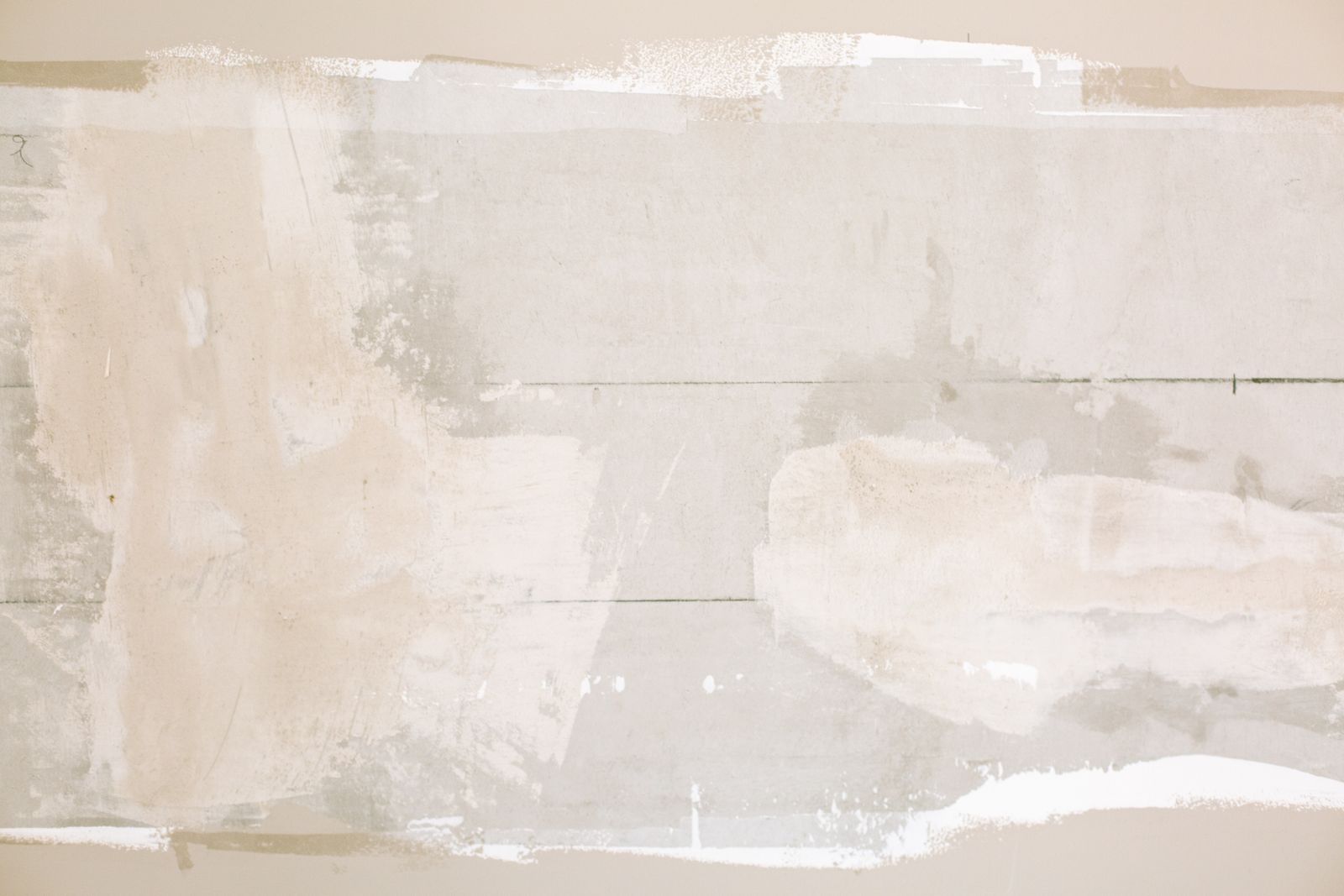
The usual reason is a patch that was built up instead of feathered out. A good repair is wider and thinner than you would expect, sanded flat, textured to match and primed before paint. Skip the primer and the patch will look dull or shiny next to the rest of the wall.
What we need from you
Send us a few photos: one up close and one from a few steps back so we can see the room and the light. For most repairs, that is enough to give you a price.
Need help with this at home? Send us a few photos.
Get a Free Estimate